


Best Materials for LED Harnesses That Withstand Rough Outdoor Activities
Outdoor LED applications—from off - road vehicle lighting and camping gear to landscape illumination—demand LED harnesses that can endure extreme conditions. Vibration, temperature swings, moisture, UV exposure, and mechanical impacts all test a harness’s durability. Choosing the right materials is crucial to ensure long - term reliability, safety, and performance. In this blog, we’ll explore the top materials for outdoor - ready LED harnesses, with insights from AIDI Flashing’s expertise in LED wiring solutions.
Challenges of Outdoor Environments for LED Harnesses
Before diving into materials, let’s understand the harsh conditions outdoor LED harnesses face:
- Vibration & Impact: Off - road vehicles, construction sites, or even wind - blown equipment subject harnesses to constant shaking and shocks, which can fatigue wires or damage insulation.
- Extreme Temperatures: From freezing winters (-20°C or lower) to scorching summers (60°C+), harnesses must maintain flexibility and electrical performance.
- Moisture & Humidity: Rain, dew, or high humidity can cause corrosion, short - circuits, or insulation breakdown.
- UV Exposure: Sunlight degrades non - UV - resistant materials, leading to brittleness, cracking, or color fading.
- Chemical Exposure: Oils, fuels, or environmental chemicals (like salt spray near coasts) can erode materials.
Key Material Categories for Outdoor LED Harnesses
The performance of an LED harness depends on three core components: conductors, insulation, and sheathing (plus connectors). Here’s how to choose materials for each:
1. Conductors: Ensuring Reliable Current Flow
For outdoor use, conductors must resist corrosion, fatigue, and mechanical stress:
- Tinned Copper: Copper is an excellent conductor, and tin plating adds a protective layer against oxidation (critical in humid or salty environments). Tinned copper wires are less prone to rust, ensuring long - term conductivity.
- Stranded (Twisted) Construction: Stranded wires (multiple thin strands) are far more flexible and vibration - resistant than solid wires. The twisted structure distributes stress, preventing breakage under repeated bending or shaking (ideal for equipment like ATVs or portable LED lights).
2. Insulation: Protecting Against Short - Circuits
Insulation must withstand temperature extremes, chemicals, and physical damage. Top choices include:
- Cross - Linked Polyethylene (XLPE): XLPE is heat - resistant (up to 125°C+), resistant to chemicals (oils, solvents), and has low water absorption. It’s a workhorse for rugged outdoor applications like industrial LED lighting or marine use.
- Thermoplastic Elastomer (TPE): TPE offers excellent flexibility (even at low temperatures), UV resistance, and abrasion resistance. It’s ideal for harnesses that need to bend frequently (e.g., foldable solar LED lights or portable work lights).
- Silicone Rubber: For extreme temperature ranges (-60°C to 200°C), silicone is unmatched. It’s flexible, waterproof, and resistant to ozone/UV. However, it’s more expensive, so it’s best for specialized applications (e.g., high - altitude or desert - to - arctic setups).
3. Sheathing (Jacket): Shielding From External Damage
The outer jacket is the first line of defense against abrasion, UV, and impacts. Recommended materials:
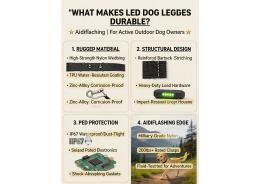
- Thermoplastic Polyurethane (TPU): TPU is a standout for outdoor use. It’s highly abrasion - resistant (withstands scraping against rocks or metal), UV - stable (resists fading/cracking in sunlight), and oil - resistant (ideal for automotive or machinery applications). AIDI Flashing often uses TPU in its rugged LED harnesses for off - road and marine setups.
- Nylon (PA66, PA12): Nylon jackets offer exceptional mechanical strength, resisting cuts, tears, and crushing. They’re ideal for harnesses in high - impact environments (e.g., construction site lighting or heavy machinery).
4. Connectors: Ensuring Secure, Corrosion - Free Connections
Connectors are often the weak link in outdoor harnesses. Choose:
- Plated Contacts: Gold or nickel plating on connector pins prevents corrosion, reduces contact resistance, and ensures reliable power delivery (even in humid or salty air).
- Weatherproof Housings: Connector shells made from materials like PA66 (nylon) with glass - fiber reinforcement resist UV, heat, and impact. Look for IP67/IP68 ratings for waterproofing (e.g., for marine or rainy - day use).
How to Choose the Right Materials for Your Application
Not all outdoor activities are the same! Tailor your material choices to your specific environment:
- Extreme Temperatures: Use silicone insulation + TPU/nylon sheathing for sub - zero or high - heat conditions (e.g., desert racing or arctic expeditions).
- High Vibration: Prioritize stranded tinned copper conductors + flexible TPE/TPU insulation (e.g., ATV/UTV lighting).
- Marine/Coastal Use: Opt for XLPE insulation + TPU sheathing + gold - plated connectors (to resist saltwater corrosion).
- Budget - Friendly: Balance with PVC - free TPE or XLPE (avoid cheap PVC, which degrades in UV and cold).
Conclusion: Build Durability From the Inside Out
For LED harnesses to survive rough outdoor activities, every component—from the conductor to the connector—must be engineered for resilience. Materials like tinned copper, TPU, XLPE, and weatherproof connectors create a robust system that resists corrosion, impact, and extreme temperatures. At AIDI Flashing, we design our LED harnesses with these rugged materials, ensuring they stand up to the harshest outdoor challenges—whether you’re off - roading, camping, or working in tough industrial settings. Remember: the right materials don’t just extend a harness’s life—they ensure your LED system performs reliably when you need it most.


 English
 German
 French
 Russian
 Spanish
 Japanese
 Korean
 Khmer
Khmer Portuguese
 Ukrainian
 Arabic
 Italian
 Afrikaans
 Albanian
 Armenian
 Azerbaijani
 Basque
 Belarusian
 Bulgarian
 Catalan
 Croatian
 Czech
Czech Danish
 Dutch
Dutch Estonian
 Filipino
 Finnish
 Galician
 Georgian
 Greek
Greek Haitian Creole
 Hebrew
 Hindi
Hindi Hungarian
 Icelandic
 Indonesian
 Irish
Irish Latvian
 Lithuanian
 Macedonian
 Malay
Malay Maltese
 Norwegian
 Persian
 Polish
 Romanian
 Serbian
 Slovak
 Slovenian
 Swahili
 Swedish
 Thai
Thai Turkish
 Urdu
Urdu Vietnamese
 Welsh
Welsh Yiddish
