


What Features Help Distinguish Between Pets in a Multi‑Pet Household?
Living with multiple pets is incredibly rewarding, but it can also be confusing—especially when you’re trying to figure out who ate the last treat, who triggered the smart feeder, or which pet just wandered past your security camera. Distinguishing between pets in a multi‑pet household is not only fun; it’s essential for health monitoring, behavior tracking, and safety.
With the rise of smart pet products—especially AI‑powered recognition systems like those used in intelligent feeders, cameras, and wearables—identifying each pet accurately has become much easier. In this article, we’ll explore the key features that help both humans and technology distinguish between pets, and why these features matter for smarter pet care.
1. Visual Features: What You Can See (and What AI Sees)
Most people rely on visual cues to tell pets apart. Modern AI vision systems do the same, but with far more precision and consistency. Here are the main visual features that matter.
1.1 Coat Color and Pattern
Coat color and pattern are usually the most obvious ways to distinguish between pets:
- Solid vs. patterned coats (solid black vs. tabby stripes vs. tuxedo markings)
- Patch placement (a white blaze on the chest, a dark patch over one eye, etc.)
- Gradients and shading (darker back, lighter belly, shaded muzzle)
Computer vision models used in pet devices can be trained to recognize these unique patterns from multiple angles. Even when pets have similar colors, subtle differences in pattern layout help AI tell them apart.
1.2 Body Shape and Size
Beyond color, body morphology plays an important role:
- Overall size (height at the shoulder, body length)
- Build (slim, muscular, stocky, long‑bodied, cobby, etc.)
- Tail type (curl, length, fluffiness, thickness)
In a multi‑pet household, you may intuitively know that “the bigger orange cat” is different from “the smaller orange cat.” Advanced recognition models can quantify these differences, helping smart feeders or doors grant access only to the intended pet.
1.3 Facial Features
Face recognition isn’t just for humans. Many AI‑driven pet systems rely on animal facial features:
- Head shape (broad vs. narrow, short muzzle vs. long muzzle)
- Ear shape and position (pointed, floppy, folded, high or low set)
- Eye spacing and shape (round vs. almond, wide‑set vs. close‑set)
- Markings around eyes and nose (masks, eye‑liner markings, nose color)
For example, in a home with two black cats, an AI system can learn that one has a rounder face and larger eyes, while the other has a narrower face and a slightly different ear angle. These tiny differences can be enough for reliable pet identification.
1.4 Gait and Movement Patterns
How a pet moves is often as distinctive as how it looks:
- Walking style (bouncy, gliding, stiff, or loose)
- Tail carriage (straight up, relaxed, curled over the back)
- Unique quirks (a slight limp, a hop when excited, an arched back when running)
Modern video‑based recognition can track motion sequences, letting systems recognize a pet even when the camera view is partially obstructed or lighting conditions are poor.
2. Wearable and Accessory‑Based Identification
Visual recognition is powerful, but accessories provide an additional layer of certainty—especially in multi‑pet homes where some pets look very similar.
2.1 Collars, Tags, and Smart Devices
Traditional collars and ID tags are still useful, but smart accessories add functionality:
- Color‑coded collars to help humans distinguish pets at a glance.
- RFID or NFC tags that communicate with compatible feeders, doors, or treat dispensers.
- Smart collars and wearables that transmit unique IDs, activity data, or location information.
When combined with AI visual recognition, these devices create highly reliable identification—useful for automating feeding schedules or controlling access to certain areas.
2.2 AI‑Enabled Safety Accessories
In low‑light environments or outdoor spaces, visibility is critical. LED and reflective accessories are increasingly popular:
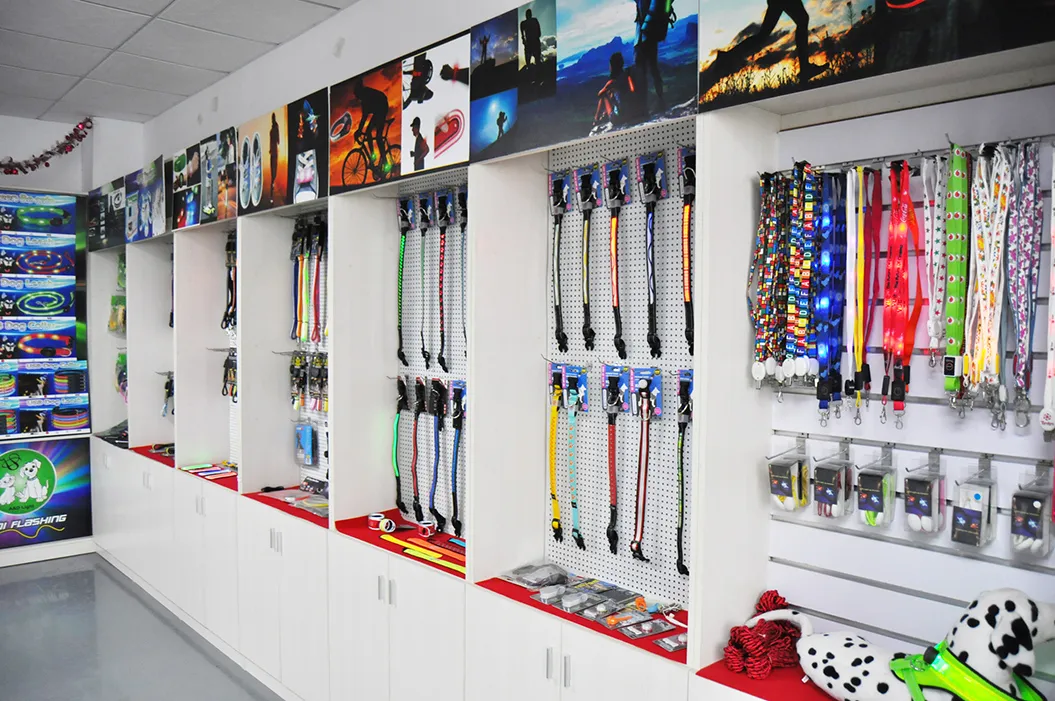
- LED collars and harnesses that illuminate each pet in a different color.
- Reflective strips that help both humans and cameras spot pets in dim conditions.
When designing AI‑ready pet ecosystems, using distinct light colors or flashing patterns per pet can simplify recognition for both technology and humans—especially at night or in large yards.
3. Behavioral Traits That Help Distinguish Pets
Not all identification has to be visual or device‑based. Daily behavior patterns are powerful identifiers too.
3.1 Feeding Habits
Every pet has a feeding personality:
- Fast eaters that rush to the bowl as soon as food appears
- Grazers that return to the bowl multiple times per day
- Shy eaters that prefer privacy or quiet spaces
Smart feeding systems can learn these patterns: which pet typically eats at what time, how much, and how quickly. Over time, this behavioral data helps the system distinguish pets even when visual cues are ambiguous.
3.2 Activity and Sleep Patterns
Some pets are naturally more active, while others sleep more. Useful distinguishing traits include:
- Daily activity level (playful vs. sedentary)
- Preferred locations (favorite sleeping spots or resting areas)
- Time‑based patterns (night owls vs. early risers)
Integrated AI platforms can combine activity data from cameras and wearables to recognize which pet is likely to be active or resting at any given time, improving overall identification accuracy.
3.3 Social Behavior
Pets interact differently with humans and with each other:
- One cat may always follow you into the kitchen, while another keeps a distance.
- One dog might be the social butterfly, greeting every visitor, while the other is reserved.
- Certain pairs of pets are almost always seen together on camera, forming recognizable groups.
These behavior signatures can be modeled by AI over time, adding another non‑visual dimension to identification.
4. Environmental and Contextual Cues
Context matters. When a pet recognition system is used across a home—through feeders, cameras, and other smart devices—environmental cues offer extra hints.
4.1 Location‑Based Identification
Some pets claim certain territories in the home:
- One cat prefers the living room window perch.
- One dog spends most of its time near the back door.
- A senior pet may restrict its movement to the ground floor.
When a camera or feeder knows where it is located, it can combine that information with past patterns to guess which pet is most likely in frame. This contextual awareness increases the reliability of recognition.
4.2 Time‑of‑Day Patterns
Time is another subtle but powerful cue. For example:
- A young, energetic dog may be active early morning and late evening.
- An older cat may be most active overnight.
- Certain pets approach the feeder at consistent times every day.
By combining time‑based data with visual and behavioral features, AI systems can more accurately decide which pet is interacting with a device.
5. Why Distinguishing Between Pets Matters
Recognizing each pet individually is not just about convenience; it has a direct impact on health, safety, and quality of life.
5.1 Personalized Feeding and Health Management
In multi‑pet homes, controlling food intake is often a major challenge. Proper identification enables:
- Individual feeding plans based on age, weight, and dietary needs.
- Preventing food stealing between pets with different diets.
- Early detection of health issues when one pet’s appetite suddenly changes.
Accurate recognition ensures that each pet receives the right type and amount of food, at the right time.
5.2 Safety and Access Control
Smart doors, gates, or room access systems benefit from knowing which pet is approaching. This allows:
- Only certain pets to access outdoor areas.
- Restricting access to specific rooms (for example, keeping cats out of a nursery).
- Monitoring which pet is near potentially hazardous zones.
By combining identification features like vision, wearables, and context, these systems offer safer, more controlled environments.
5.3 Better Monitoring and Insights
When each pet can be reliably distinguished, data becomes meaningful:
- Activity tracking becomes pet‑specific, not averaged across the household.
- Long‑term trends in sleep, movement, or feeding can be linked to individual animals.
- Owners and veterinarians get clearer, data‑driven insights into each pet’s well‑being.
6. Designing a Multi‑Pet Friendly Smart Home
To build a smarter, safer environment for multiple pets, it helps to combine several identification methods instead of relying on just one.
6.1 Combine Visual AI with Smart Accessories
A robust multi‑pet system typically integrates:
- Camera‑based AI that uses coat, body, and facial features.
- Wearable IDs like RFID tags, smart collars, or LED accessories.
- Contextual data such as location, time of day, and prior behavior.
This layered approach compensates for tricky conditions—such as poor lighting, fast movement, or pets with very similar appearances.
6.2 Choose Solutions Optimized for Multi‑Pet Recognition
When selecting smart feeders, cameras, or other pet devices, look for systems that:
- Support multiple pet profiles with separate settings.
- Use advanced image recognition to tell individual pets apart.
- Offer flexible pairing with collars, tags, or lighting accessories.
Devices built with multi‑pet households in mind will reduce false identification and provide more reliable automation.
Conclusion
In a multi‑pet household, distinguishing between pets is a daily challenge—but also a major opportunity. By combining visible traits (coat, body, face, and movement), wearable identifiers, behavioral patterns, and contextual data, both humans and AI can reliably tell one pet from another.
As AI‑driven pet products continue to evolve, the home environment becomes not only smarter but also more personalized. Each pet can receive tailored nutrition, safer access, and more precise health monitoring—all built on the foundation of accurate identification.
Understanding which features matter most in distinguishing between pets is the first step toward designing and choosing solutions that truly work for complex, multi‑pet families.





 English
 German
 French
 Russian
 Spanish
 Japanese
 Korean
 Khmer
Khmer Portuguese
 Ukrainian
 Arabic
 Italian
 Afrikaans
 Albanian
 Armenian
 Azerbaijani
 Basque
 Belarusian
 Bulgarian
 Catalan
 Croatian
 Czech
Czech Danish
 Dutch
Dutch Estonian
 Filipino
 Finnish
 Galician
 Georgian
 Greek
Greek Haitian Creole
 Hebrew
 Hindi
Hindi Hungarian
 Icelandic
 Indonesian
 Irish
Irish Latvian
 Lithuanian
 Macedonian
 Malay
Malay Maltese
 Norwegian
 Persian
 Polish
 Romanian
 Serbian
 Slovak
 Slovenian
 Swahili
 Swedish
 Thai
Thai Turkish
 Urdu
Urdu Vietnamese
 Welsh
Welsh Yiddish
